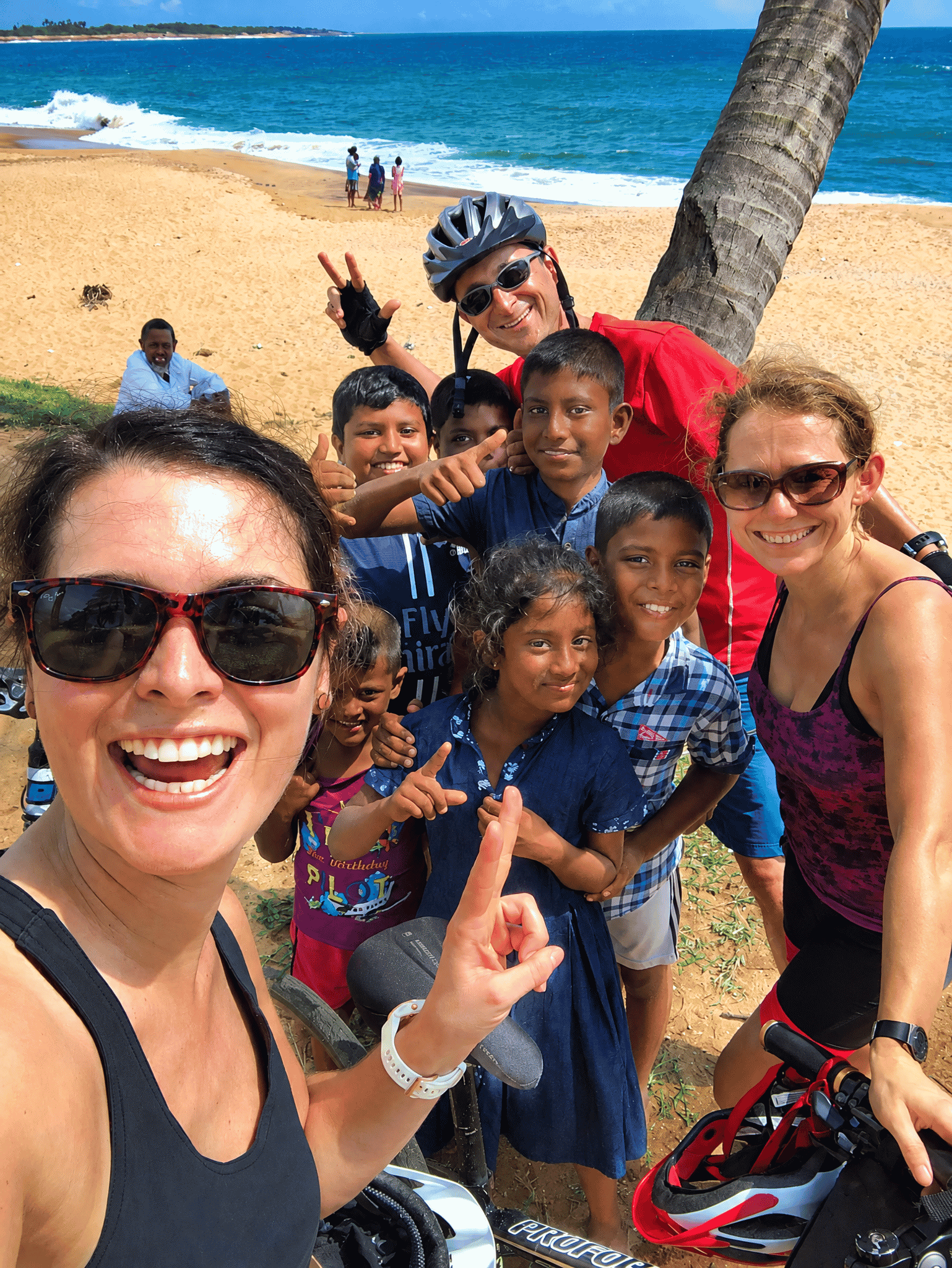
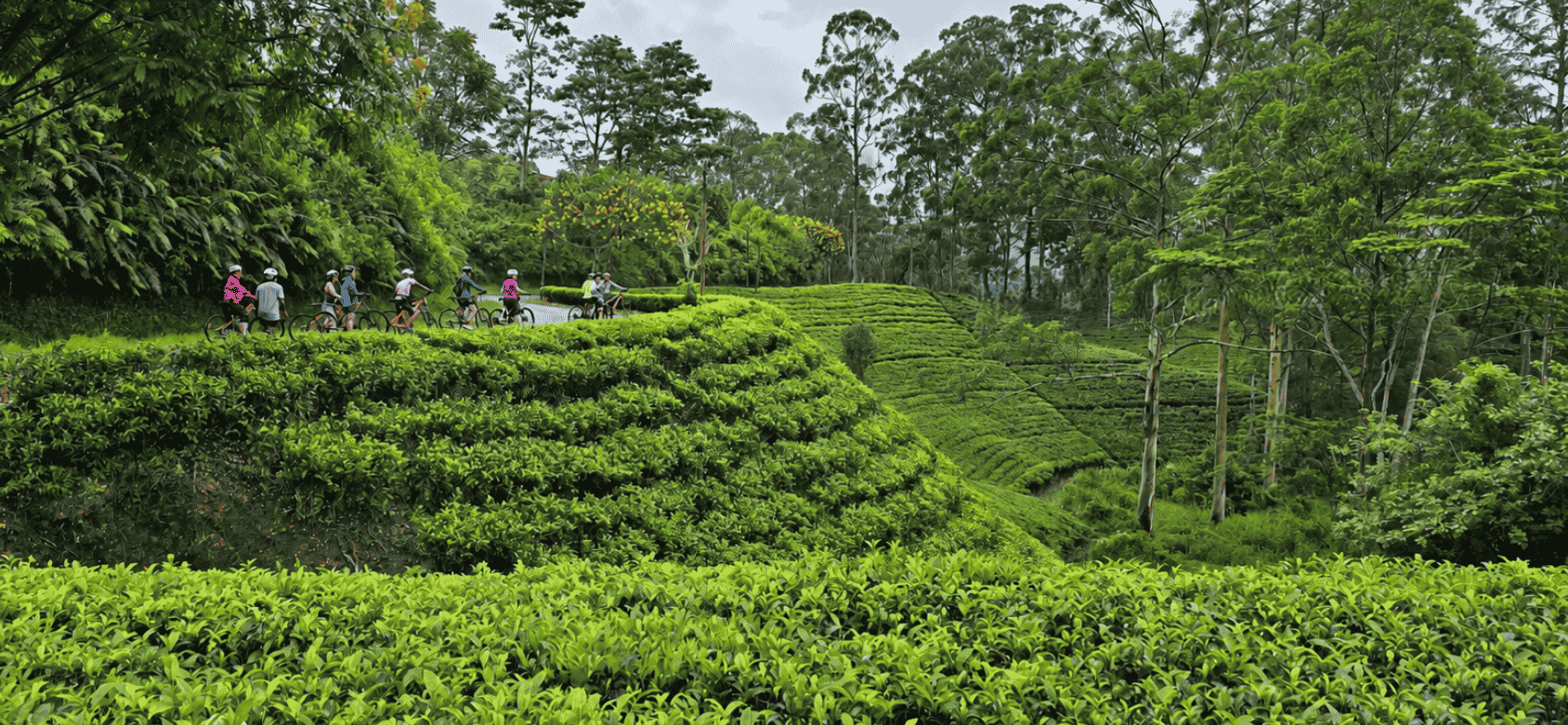
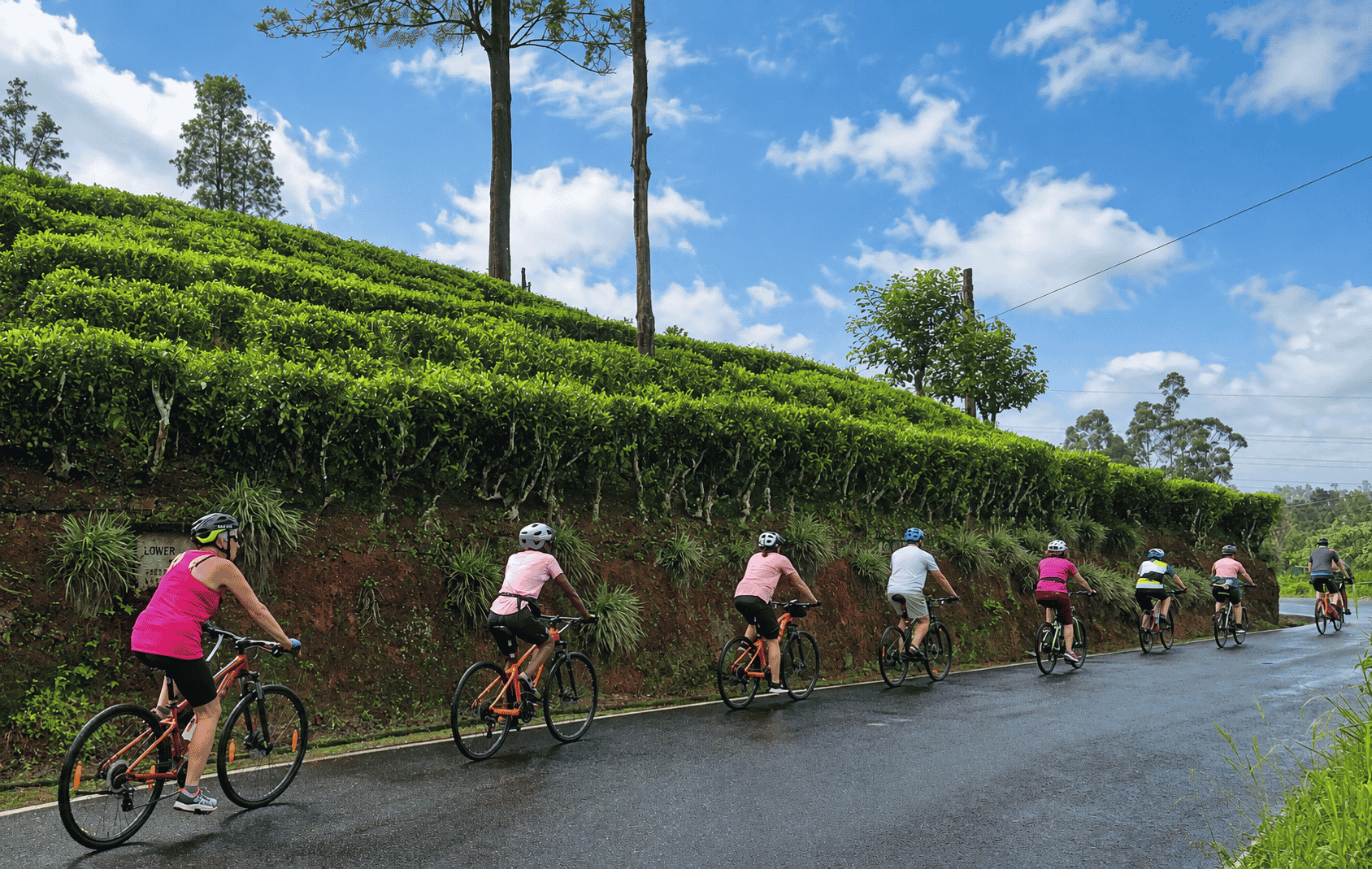
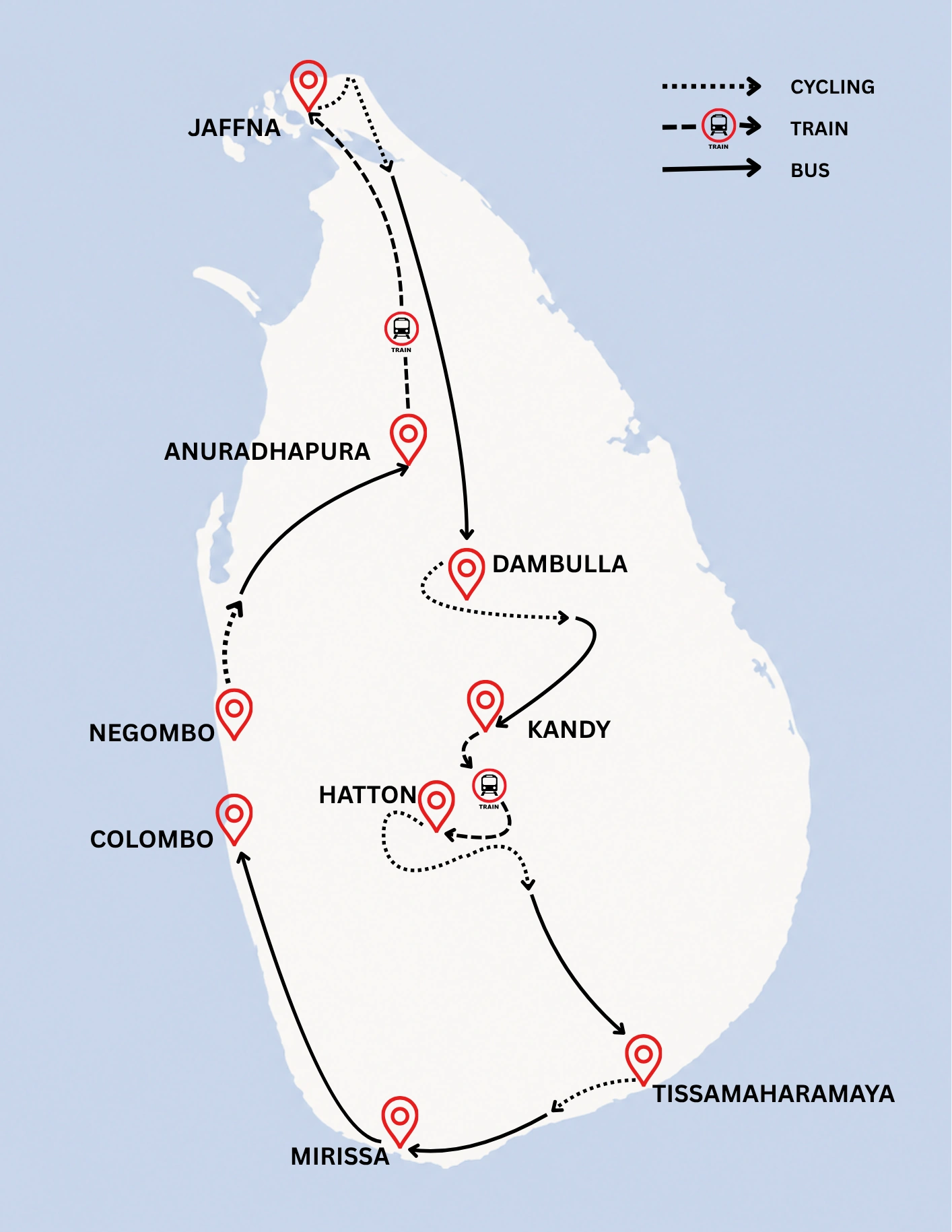
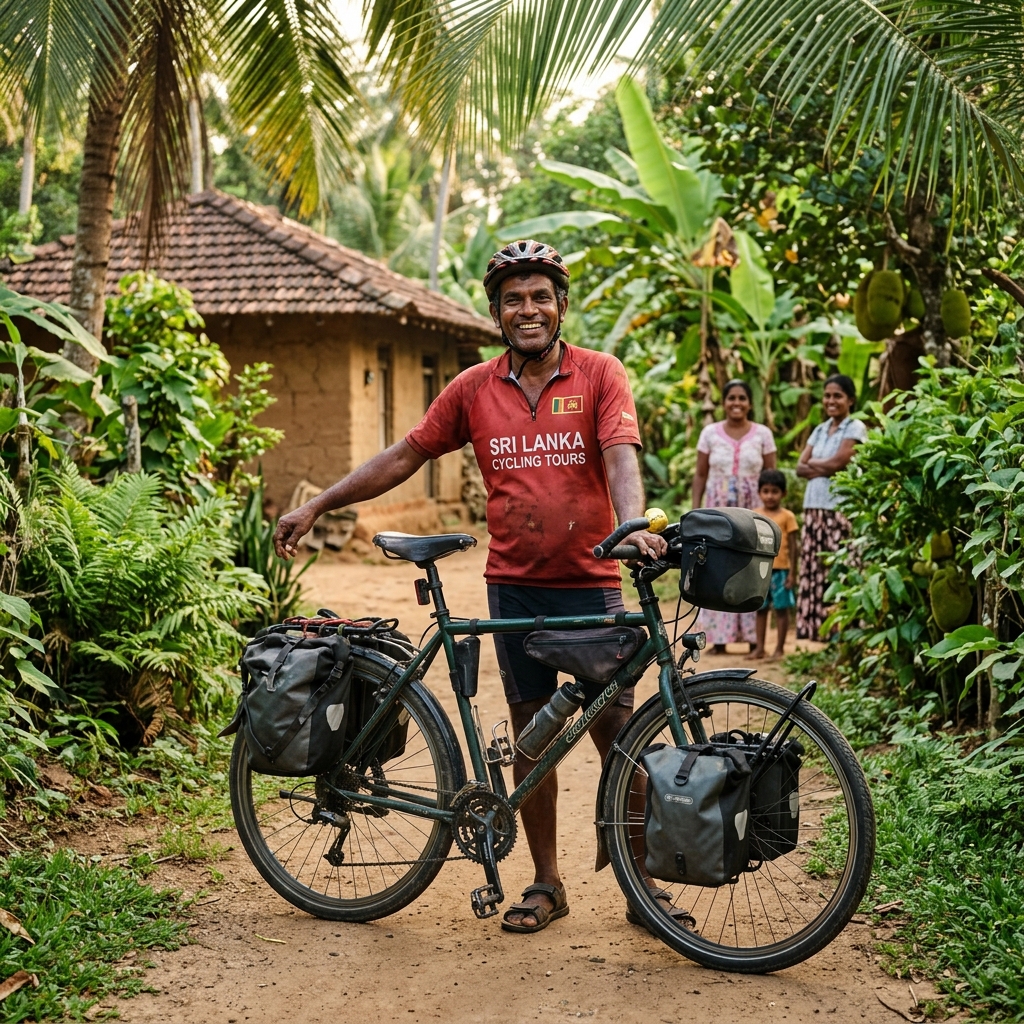
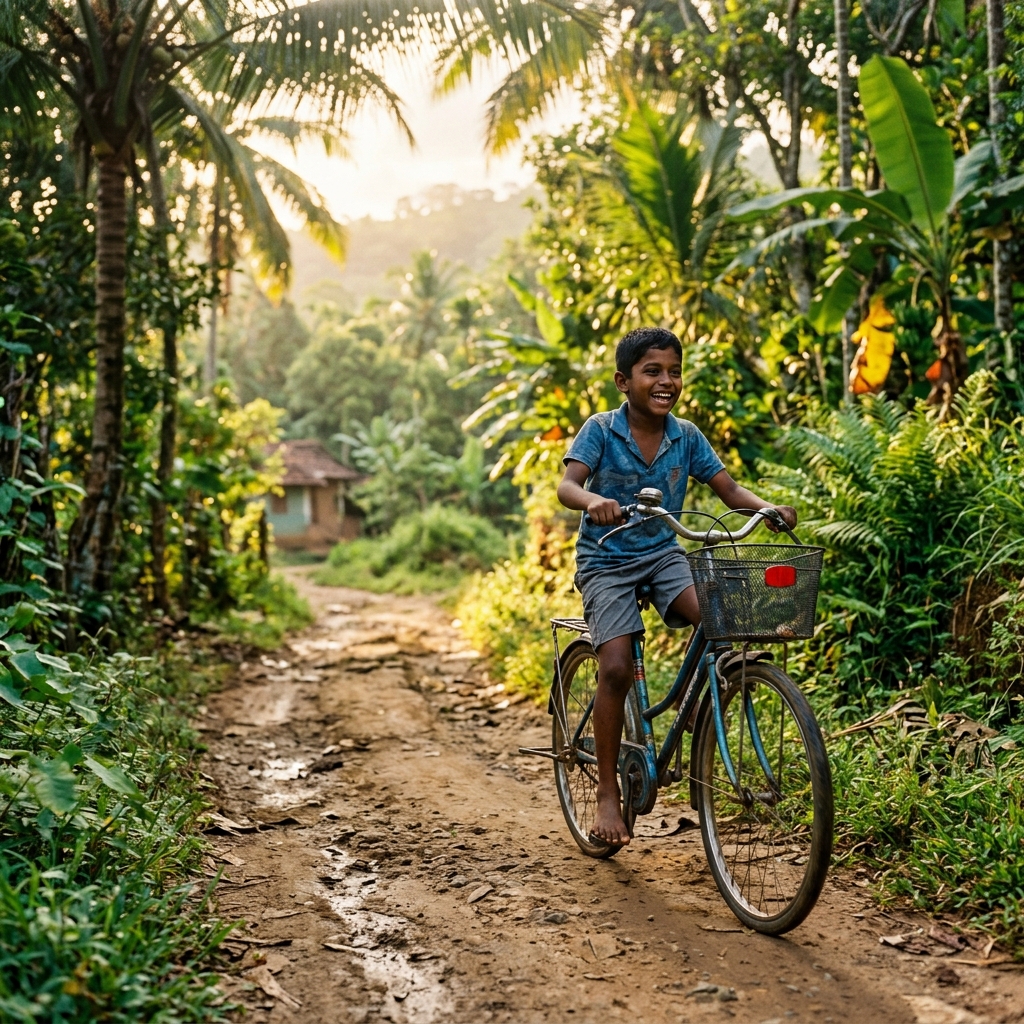
After breakfast, we hop on our bikes for a peaceful morning ride from Tissamaharama to Kataragama - a sacred pilgrimage town revered by Buddhists, Hindus, and Muslims alike. As one of Sri Lanka’s most important spiritual sites, Kataragama bursts with colour, incense, and religious devotion, especially during its famous July/August festival. Pedalling along tree-lined village roads offers a glimpse into daily life in the south and a chance to absorb the region’s cultural richness.
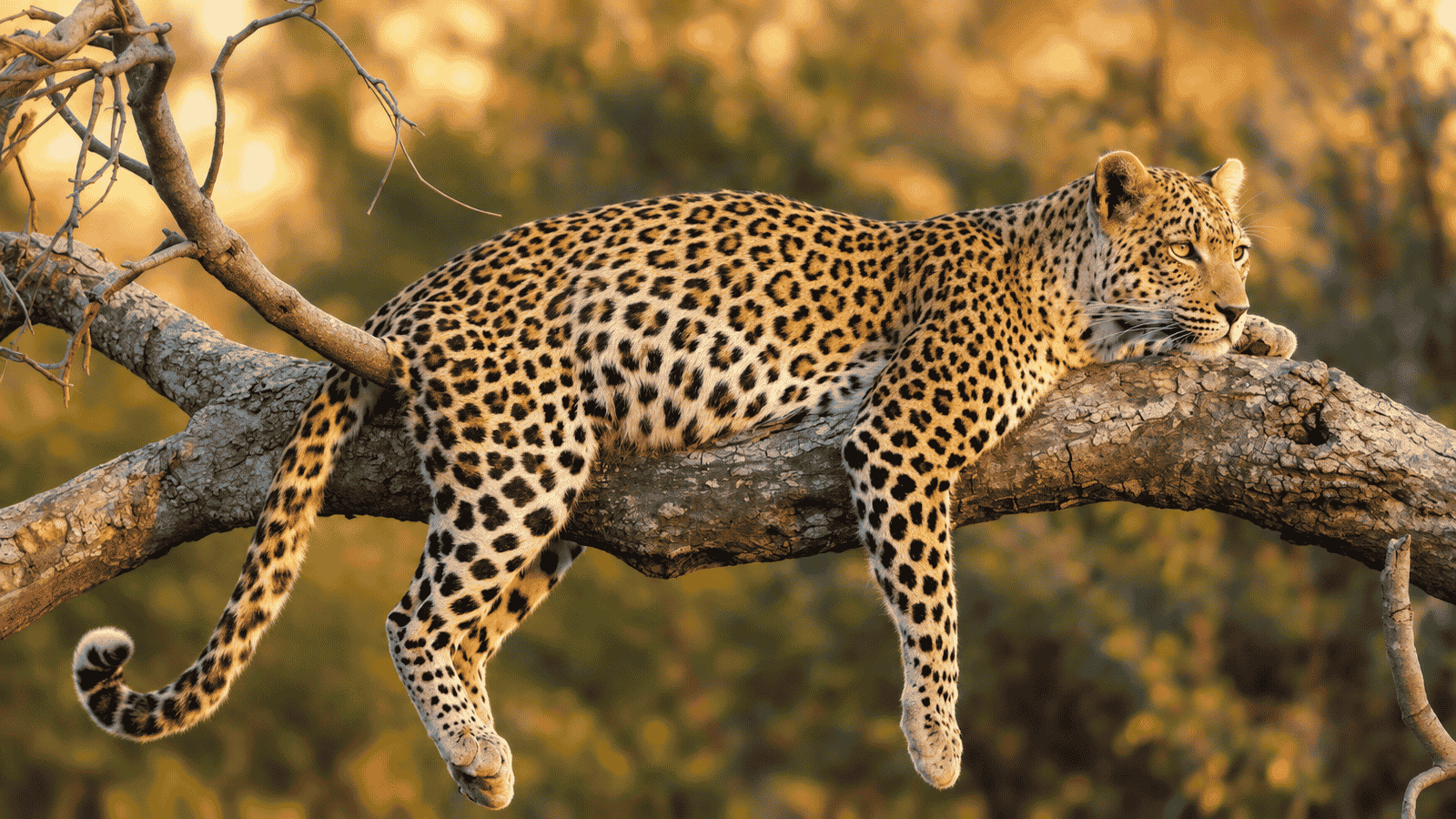
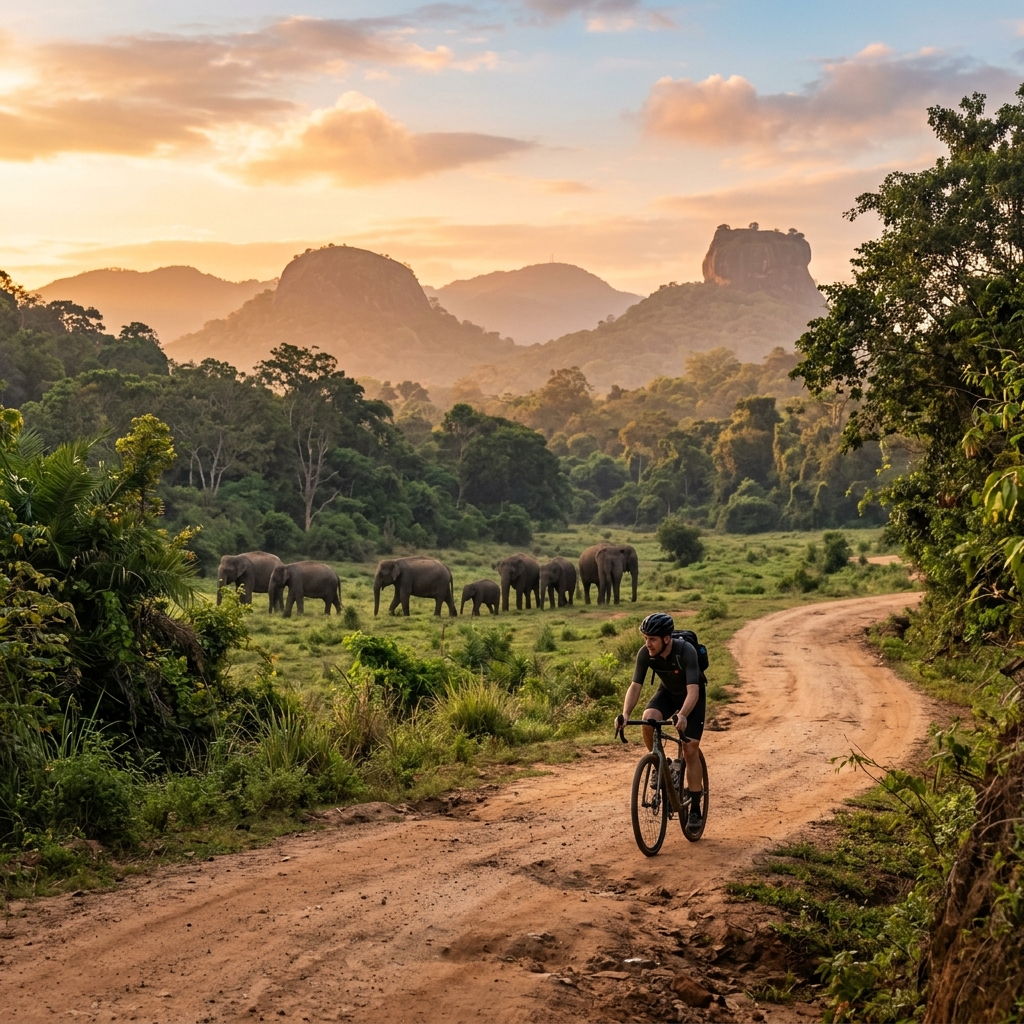
After exploring Kataragama, we trade our bikes for jeeps and head into the wilderness of Yala National Park—one of the best places in the world to spot the elusive leopard. Along with leopards, Yala is home to wild elephants, crocodiles, sloth bears, buffalo, and a wide variety of birdlife, including peacocks and the great thick-knee.
Depending on seasonal conditions and responsible tourism guidelines, we usually explore Yala Block 5, a quieter and less-visited section of the park. If this area is also deemed too crowded or during the park’s annual closure in September and October, we may visit Udawalawe National Park or Bundala National Park instead - both renowned for their own unique wildlife experiences.
We return to Tissamaharama by evening for a relaxed group dinner and reflection on the day’s contrasting highlights: sacred sites and untamed wilderness.
Accommodation
Hotel (1 night)
Meals Included
(Breakfast, Lunch, Dinner)
Ride Details
Distance: Approx. 26 km (16 mi)
Elevation gain: 160 m (530 ft)
Lightly undulating village roads surrounded by fields, temples, and trees
Included Experiences:
• Scenic ride to Kataragama, Sri Lanka’s multi-faith holy city
• Jeep safari through Yala National Park (Block 5 or alternate park)
National Park Visit Notes:
Yala Block 5 is our preferred route to help reduce tourism pressure on the more crowded areas of the park.
During September and October, when Yala is closed for rejuvenation, we visit Bundala National Park, a Ramsar-listed wetland sanctuary.
If Yala’s visitor load becomes unsustainable, we will shift to Udawalawe National Park, known for its large elephant population and excellent wildlife sightings.